
Origins
The Origins of Canada's Postal Service
From the French colonial couriers of the 1630s to the Dominion Post Office of 1867, Canada's mail system grew alongside the nation itself.
From the first colonial post riders to transcontinental railway mail cars, this archive covers the full span of Canadian postal history — province by province, decade by decade.
Key Numbers
1851
Year of Confederation Mail
Canada took control of its own postal system from Britain in 1851, marking the beginning of an independent national mail network.
9.9M km²
Territory Served
Mail routes eventually stretched across the second-largest country in the world, connecting remote settlements from Newfoundland to British Columbia.
1867
Dominion Post Office Act
Confederation brought a unified postal department under federal authority, replacing the patchwork of colonial post offices that had existed since the 1630s.
Featured
When the Canadian Pacific Railway reached the Pacific in 1885, it did more than move passengers — it transformed mail delivery across the country. Railway Post Office cars allowed clerks to sort letters en route, cutting delivery times from weeks to days across the prairies and mountain passes.
Read the Full AccountArchive Articles
Origins
From the French colonial couriers of the 1630s to the Dominion Post Office of 1867, Canada's mail system grew alongside the nation itself.

Routes
Each province developed its own postal geography — shaped by rivers, railways, and the practical realities of delivering mail through Canadian winters.

Infrastructure
Canada's mail delivery system moved from dog sleds and river bateaux to railway cars and motorised vans — a story of logistics meeting geography.
Historical Record
Canada's Three-Penny Beaver, issued in 1851, was the first adhesive postage stamp produced for the Province of Canada. Designed by Sir Sandford Fleming — later the man behind Standard Time — the stamp depicted the beaver, already a national symbol, at a time when Canadians were only beginning to define what their postal identity would look like.
The choice of the beaver over a royal portrait was deliberate: it signalled a distinctly North American character for the new postal administration. Philatelists still consider it one of the most significant stamp designs in Commonwealth history.
Read the Origins Article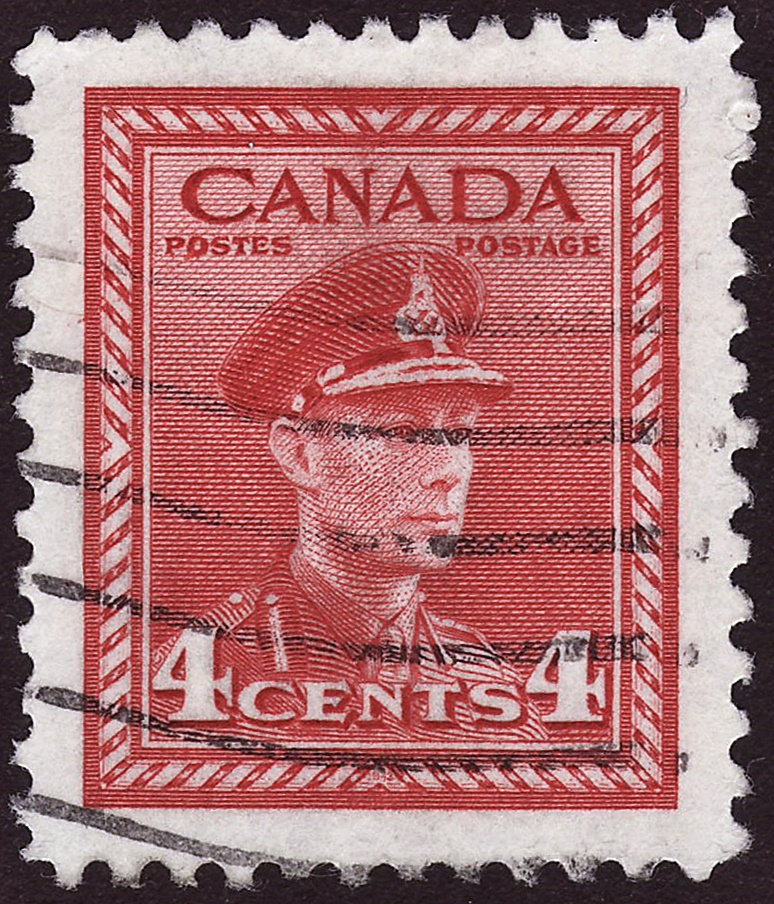
For corrections, archive inquiries, or general correspondence about Canadian postal history.
External Reference
Library and Archives Canada holds original postmaster appointment records, letter books, and route maps spanning more than 350 years of Canadian postal administration. Their online database is a primary source for anyone researching heritage mail routes.
Visit Library and Archives Canada